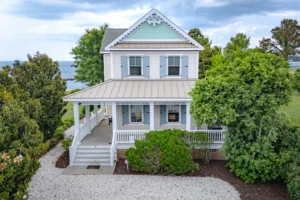
Buying a home in Virginia as an out-of-state buyer can feel overwhelming at first. Every state handles contracts, inspections, and closing timelines a little differently.Every state handles contracts, inspections, closing timelines, and property taxes a little differently. If you’re relocating to the Eastern Shore or purchasing a second home in Cape Charles, understanding what’s unique about Virginia will help you move forward with confidence.
Here’s what’s different and what you should expect.
Buying a Home in Virginia Means Understanding “Buyer Beware”
Virginia follows a caveat emptor, or “buyer beware,” rule. That means sellers are not required to disclose as much as they are in some other states.
Instead of broad disclosure laws, Virginia provides a Residential Property Disclosure Statement. This form tells buyers to conduct their own inspections and due diligence.
For out-of-state buyers, this makes professional inspections especially important. Home inspections, well and septic inspections (if applicable), and waterfront-specific evaluations should all be part of your plan.
Earnest Money and Contract Structure May Surprise You
Virginia real estate contracts often look different from contracts in other states.
Some key differences:
- Earnest money is typically deposited shortly after contract ratification.
- Contingency timelines are clearly defined and strictly enforced.
- Contracts are detailed and time-sensitive.
Because deadlines matter, working with a local Cape Charles real estate expert helps prevent missed contingencies.
Closing Attorneys Play a Larger Role
In Virginia, real estate closings are typically handled by a settlement attorney or title company, not escrow agents as in some other states.
Your closing attorney will:
- Handle title searches
- Prepare settlement documents
- Coordinate funds
- Record the deed
If you’re buying from out of state, remote closings are common and manageable. Many buyers complete the process through electronic signatures and overnight documents.
Property Taxes Are Structured Differently
Virginia property taxes are assessed at the local level. Rates can vary significantly depending on whether you’re buying in:
- A town (like Cape Charles)
- Northampton County
- A waterfront or special assessment district
Out-of-state buyers are often pleasantly surprised by Virginia’s relatively moderate property tax rates compared to other coastal markets.
Waterfront and Flood Zone Considerations
If you’re purchasing near the Chesapeake Bay, flood zones and insurance requirements deserve careful attention.
Waterfront property in Virginia may involve:
- Flood insurance requirements
- Elevation certificates
- Shoreline regulations
- Wetlands considerations
These factors don’t make waterfront homes risky. They simply require additional due diligence.
Homeowners Associations and Community Rules
Many Cape Charles neighborhoods, especially newer waterfront communities, have homeowners associations (HOAs).
HOA documents may regulate:
- Rental restrictions
- Exterior changes
- Dock use
- Architectural guidelines
Out-of-state buyers should review these documents early in the contract period.
Buying a Home in Virginia Remotely: What to Expect
The good news? Buying property in Virginia as an out-of-state buyer is extremely common.
Many Cape Charles buyers:
- Purchase second homes
- Relocate for lifestyle changes
- Invest in vacation properties
- Transition from weekend visits to full-time living
Virtual showings, video walkthroughs, and detailed inspection reports make the process smooth — even if you’re several states away.
Why Working With a Local Agent Matters More
When you’re not familiar with Virginia real estate practices, a local expert becomes essential.
A knowledgeable Cape Charles agent helps you:
- Navigate disclosure rules
- Understand flood and waterfront nuances
- Interpret HOA documents
- Manage remote closing logistics
- Coordinate inspections and contractors
Local insight reduces risk and increases confidence.
Final Thoughts
Buying property in Virginia as an out-of-state buyer isn’t complicated. It simply requires an understanding of how Virginia handles disclosures, inspections, and closings.
With the right preparation and a local guide, the process can be straightforward — and even enjoyable.
If you’re buying a home in Virginia from out of state, understanding what’s different is the first step toward making a confident move.