For a certain kind of retiree, Cape Charles checks every box. Small-town pace, walkable streets, a bayfront beach, a tight-knit community, and a cost of living that compares favorably to most coastal destinations on the East Coast. For others, the same qualities that make it appealing (the quiet, the remoteness, the limited amenities) are exactly what gives them pause.
The honest answer to whether Cape Charles is a good place to retire is: it depends on what you’re retiring to. Here’s what you need to know to figure out if it’s the right fit.
The Lifestyle Case for Retiring in Cape Charles
Cape Charles is genuinely easy to love in retirement. The historic district is compact and walkable. You can get from your front door to the beach, to Mason Avenue’s restaurants and shops, and back again without a car. For retirees who want to downsize their pace without giving up a sense of place, that combination is hard to find at this price point on the East Coast.
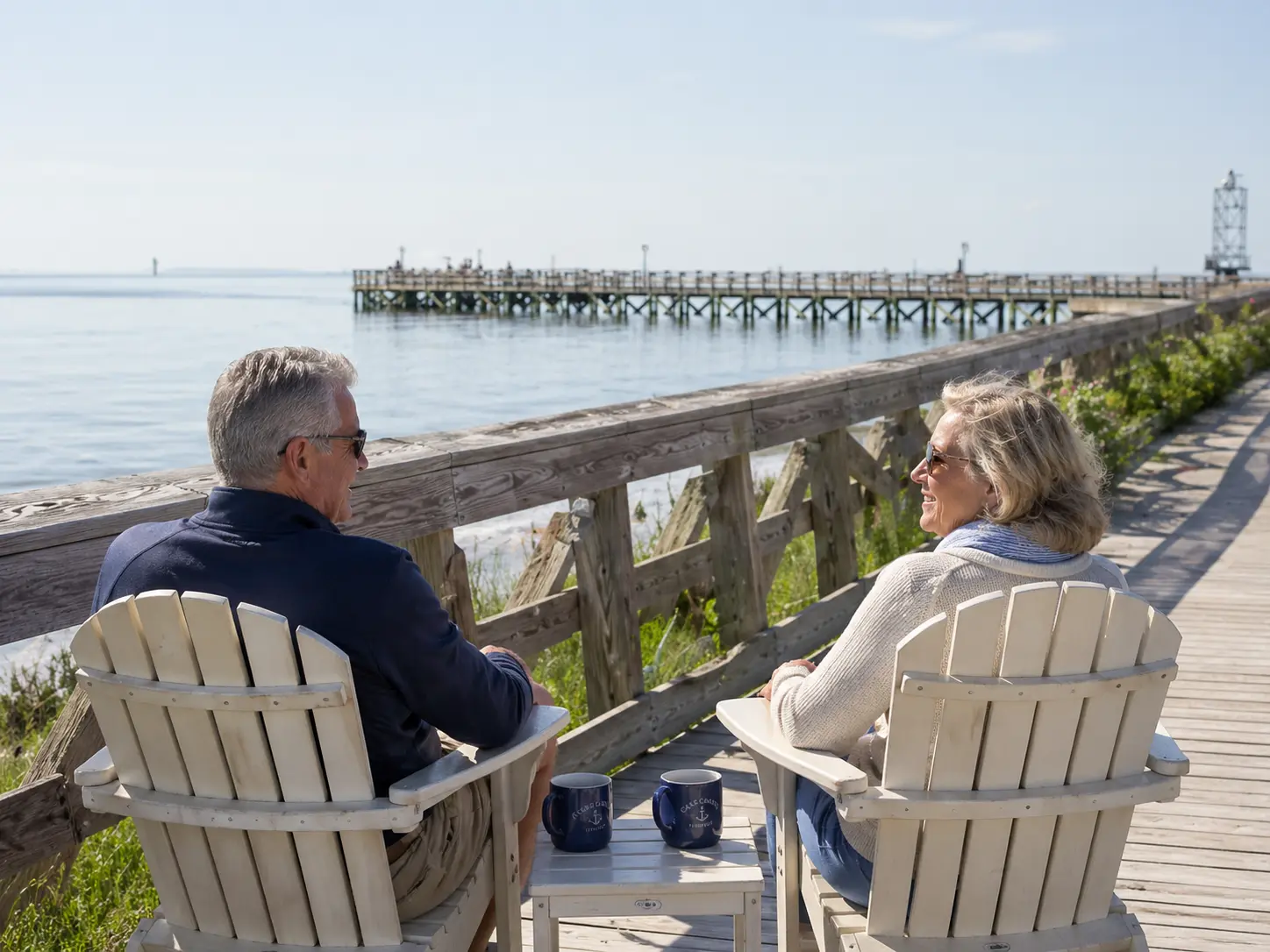
The bay beach itself is a significant quality-of-life factor. Calm, flat water makes it accessible for swimming, kayaking, and paddleboarding well into your later years in a way that an ocean beach often isn’t. Early morning walks along the water, sunsets from the sand, and the simple rhythm of a coastal day are not small things when you’re designing the next chapter of your life.
The community here is genuinely engaged. Cape Charles has an active arts scene anchored by Arts Enter and the Historic Palace Theatre, a calendar of community events that runs year-round, and the kind of social fabric that forms naturally in a small town where people know each other. Retirees who moved here from larger cities often cite the sense of belonging as one of the biggest surprises — and one of the biggest reasons they stayed.
Cost of Living and Housing
Compared to other desirable coastal retirement destinations (Annapolis, Rehoboth Beach, coastal North Carolina, or virtually anywhere in Florida with a comparable lifestyle) Cape Charles is meaningfully more affordable.
Property taxes in Northampton County are relatively modest, and Virginia as a whole is considered a tax-friendly state for retirees. Virginia does not tax Social Security income, and there are deductions available for other forms of retirement income for residents over 65. For retirees managing a fixed income, those details matter.
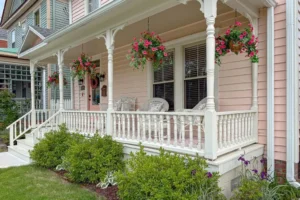
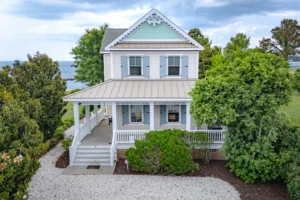
Housing options range from historic Victorian homes in the walkable downtown to newer construction in Bay Creek, the gated resort community just outside town. Bay Creek offers single-level living options, HOA-managed maintenance, golf, a marina, and resort amenities, a setup that appeals strongly to retirees who want a low-maintenance lifestyle without sacrificing comfort. The historic district offers more character and walkability but typically requires more hands-on upkeep.
Waterfront and bay-view properties carry a premium, as they do anywhere. But inland and in-town options in Cape Charles remain accessible compared to comparable coastal markets, giving retirees more flexibility in how they allocate their housing budget.
Healthcare Access
This is the area that requires the most honest conversation. Cape Charles is a small, rural town, and healthcare infrastructure reflects that. Routine care is available locally, but for anything beyond primary care (specialty medicine, surgical procedures, major hospital systems) you’ll be driving.
Sentara Norfolk General and Riverside Regional Medical Center in Newport News are both within reasonable driving distance via the Chesapeake Bay Bridge-Tunnel, but that drive involves a toll and can take 60 to 90 minutes depending on traffic and the time of year. For retirees in good health who are primarily managing wellness and routine care, this is manageable. For those with ongoing complex medical needs or conditions that require frequent specialist visits, it’s a meaningful consideration that deserves serious weight.
This isn’t unique to Cape Charles — it’s the tradeoff that comes with rural coastal living anywhere. But it’s worth being honest about before you commit.
Year-Round Living vs. Seasonal Use
Cape Charles has two distinct personalities. In summer, it’s lively. Restaurants are full, the beach is active, events fill the calendar, and the town has real energy. From late fall through early spring, it quiets considerably. Some restaurants reduce their hours or close seasonally, the beach crowds thin out, and the pace drops to something closer to what true small-town life looks like.
For retirees who are drawn to that quieter rhythm, who want the summer vibrancy but genuinely appreciate the slower months, this is part of the appeal, not a drawback. For those who need consistent activity and social stimulation year-round, it’s worth spending time here in the off-season before committing.
Many retirees land somewhere in between: spending spring through fall in Cape Charles and heading south or elsewhere for the heart of winter. The Eastern Shore’s mild coastal climate means winters are rarely harsh, but the reduced activity level in January and February is real.
Getting Around
Within Cape Charles, you don’t need much. The historic district is walkable, and golf carts are a common and practical way to get around town for those who prefer not to walk. Biking is easy on the flat streets, and the community is small enough that most daily errands within town are manageable without a car.
Beyond Cape Charles, a car is essential. There is no public transit, and the nearest commercial airport, Norfolk International, is approximately an hour away via the Bay Bridge-Tunnel. For retirees who travel frequently or have family scattered across the country, proximity to a major airport is worth factoring in. The drive to Norfolk is straightforward, but it does add a layer of logistics compared to retiring near a major metro.
What Retirees Who Moved Here Say
The retirees who thrive in Cape Charles tend to share a few things in common. They were looking to slow down intentionally—not because life forced them to, but because they made a deliberate choice to prioritize pace, beauty, and community over convenience and proximity. They’re often people who had spent time here before, knew what the off-season felt like, and made the decision with clear eyes.
They also tend to be people who get involved. Cape Charles rewards engagement. The arts community, the local events, the neighborhood associations, the morning regulars at the coffee shop. The texture of life here is richer for the people who show up and participate.
The retirees who struggle are usually those who underestimated the distance from family, the healthcare logistics, or the quiet of the off-season. These aren’t dealbreakers, but they’re real, and the people who navigate them best are the ones who planned for them honestly.
Is It the Right Fit for You?
Cape Charles is a genuinely wonderful place to retire for the right person. The lifestyle, the cost of living, the community, and the natural setting are all legitimately compelling. But it’s a rural coastal town at the end of a peninsula, and that geography shapes everything (the healthcare access, the driving distances, the seasonal rhythms, and the social scene).
The best way to know if it’s right for you is to spend real time here—not just a summer weekend, but a visit in March or November when the town shows you its quieter side. Walk the streets, eat at the local spots, talk to people who live here year-round, and pay attention to how you feel when Sunday comes and it’s time to leave.
If leaving feels hard, that’s usually the answer.
Ready to explore what’s available in Cape Charles? Browse current listings or connect with our team — we’re happy to help you figure out if this is the right place for your next chapter.