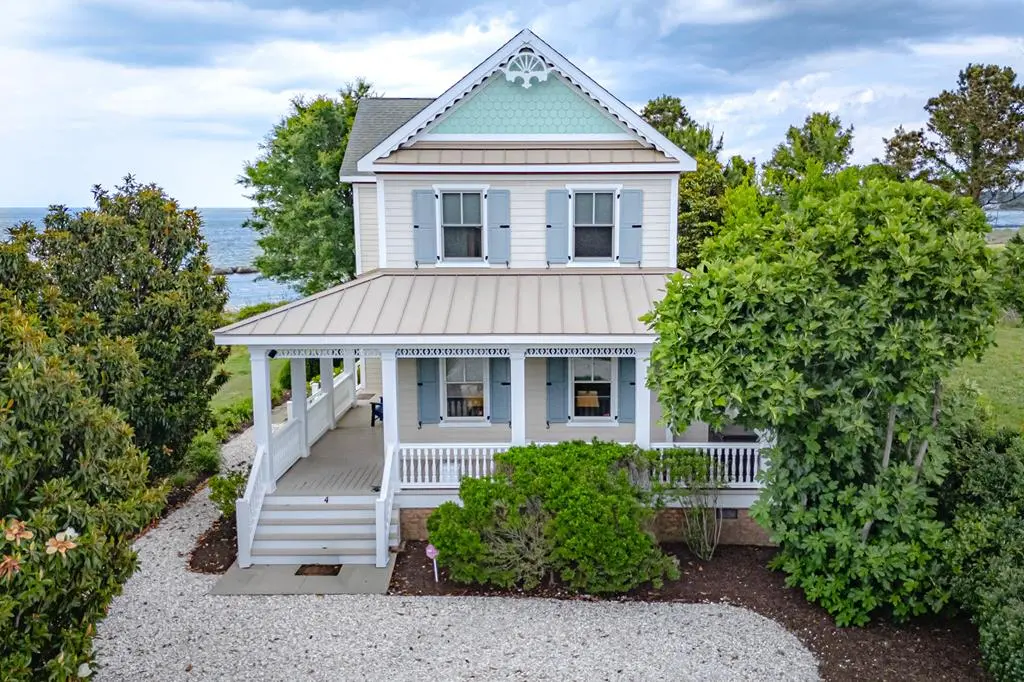
It starts the same way for a lot of people. You buy a place in Cape Charles — a weekend retreat, a summer home, somewhere to decompress. You spend a long weekend there in October and find yourself thinking, on the drive back to DC or Richmond or wherever, that you didn’t really want to leave.
A few years of that and the math starts to change. You’re spending more time here than there. The city feels louder every time you return to it. And at some point the question shifts from “what if” to “why not.”
Making Cape Charles your full-time home is a transition more buyers are making — and it’s one that comes with a specific set of things to know. Not dealbreakers. Just realities worth understanding before you make the move.
The Town Changes When You’re Here Full-Time
This is the first thing most people mention: Cape Charles in July and Cape Charles in February are genuinely different experiences. As a weekend visitor you see the town at its best — the beach, the concerts, the restaurants humming, the energy of peak season.
Full-time residents see all of it, including the quiet. From roughly November through April, the downtown slows considerably. Some restaurants close or cut their hours. Foot traffic on Mason Avenue drops. The beach is yours but it’s cold.
For the right person, the off-season is actually the best part — the town feels more like a real community, neighbors check in on each other, and the pace is exactly what you came here for. For someone who needs consistent social activity and dining options, it can take adjustment.
The honest advice: spend at least one full week in Cape Charles in January or February before committing to the move. Not a long weekend — a full week, living the way you’d actually live. If you love it, you’ll know. If it feels isolating, that’s useful information too.
Your Relationship With the House Will Change
A vacation home that worked perfectly for long weekends may need rethinking as a full-time residence. Things that didn’t matter much when you were there three days at a time start to matter a lot when you’re there every day.
Storage is the most common one — vacation homes are optimized for guests, not for actually living. Closet space, garage space, workspace, and a proper home office setup all become relevant when the house is your primary residence rather than your retreat.
HVAC performance matters more in winter than most visitors realize. Cape Charles gets cold, and a system that was adequate for weekend visits may be working harder than expected when it’s running continuously. Same goes for insulation and drafts — things you barely notice during a summer weekend can make a real difference to comfort and utility costs in January.
If your house has operated as a short-term rental during periods when you weren’t using it, there’s also an adjustment to making it fully yours — optimizing for how you actually want to live rather than how guests experience it.
None of these are reasons not to make the move. They’re just the checklist worth working through before you do.
Infrastructure Is Different From the City
Cape Charles has improved meaningfully in recent years on the infrastructure front, but it’s still a small coastal town and it operates like one.
Internet: Fiber-optic internet is available in most of Cape Charles proper, which is genuinely good news for anyone working remotely or staying connected. If your property is outside the town limits in Cheriton or the surrounding countryside, confirm coverage before you commit.
Healthcare: The Riverside Cape Charles Medical Center handles primary and urgent care locally. For specialist appointments, major procedures, or hospital-level care, you’re looking at Norfolk or Virginia Beach — roughly 45 to 50 minutes depending on traffic. This is worth thinking through honestly, especially if you or a partner have ongoing medical needs.
Grocery and services: Cape Charles has a grocery store and the basics, but for the full range of what a city grocery store offers, most residents make a regular run to the larger stores in Exmore or further south. It becomes a rhythm quickly, but it’s an adjustment from urban life where everything is within a mile.
The Community Aspect Is Real
One of the things that surprises people most about making the full-time move is how quickly they become part of the fabric of the town. Cape Charles is small enough that people know each other, and residents who engage — at the farmer’s market, at Central Park concerts, through local organizations — find a genuine community relatively fast.
This is different from city life, where you can live in the same building for a decade without knowing your neighbors. In Cape Charles, your neighbors will bring you things from their garden. They’ll wave from across the street. They’ll know your dog’s name.
For people coming from a city, this can feel unfamiliar at first and then, pretty quickly, exactly like what they were looking for.
The Financial Picture of Going Full-Time
If your Cape Charles home has been operating as a short-term rental, the financial picture changes when you move in full-time. STR income you’ve been counting on goes away, or at minimum shifts to occasional rental during periods when you travel. That’s worth modeling out before the move — understanding what your monthly costs look like without rental income factoring in.
On the other side of the ledger: your cost of living in Cape Charles is almost certainly lower than whatever city you’re leaving. No more $18 parking, no more $40 dinners as a routine occurrence, no more city income tax in many cases. Virginia does not tax Social Security income and gives residents a meaningful deduction on pension and retirement account income — a genuine benefit for anyone living on investment or retirement income rather than a W-2.
Property taxes in Northampton County are also considerably lower than most urban and suburban jurisdictions buyers are moving from. That gap can meaningfully offset the higher purchase price of a Cape Charles home relative to comparable square footage inland.
What to Sort Out Before You Make the Move
A few practical things worth handling before you close up the city apartment or sell the city house:
Change your primary residence officially. Virginia requires that you register your vehicle and update your voter registration. If you’re moving from another state, there are timelines to be aware of.
Revisit your insurance. Homeowners insurance, flood insurance, and if applicable your STR policy all need to reflect the change from secondary to primary residence. Your current coverage may not be structured correctly for a full-time occupant.
Talk to your financial advisor. Moving from one state to another, or even just changing your primary residence within Virginia, can have implications for state income taxes, estate planning, and in some cases retirement account distributions. Worth a conversation before rather than after.
Think about the house itself. As mentioned above — is it set up for how you actually want to live full-time? If not, better to know that going in so you can plan any modifications before the move rather than discovering them after.
The Bottom Line
The people who make the full-time move to Cape Charles and love it tend to share a few things: they know what they’re getting into, they’ve spent real time here outside of peak season, and they’re genuinely drawn to the community and the pace rather than just running from wherever they came from.
If that sounds like you, it’s one of the better decisions you can make. Cape Charles has a way of becoming home faster than people expect.
If you’re thinking about making the transition and want to talk through what it looks like from a real estate standpoint — whether that means upgrading your current place, selling and buying something more suited to full-time living, or just understanding the market — our team at Chesapeake Properties knows this community well and is happy to help.
Browse current Cape Charles listings or contact our team to start the conversation.
For more on living in Cape Charles full-time, check out our complete home buyer’s guide, guide to flood zones and insurance, and short-term rental rules for investors.