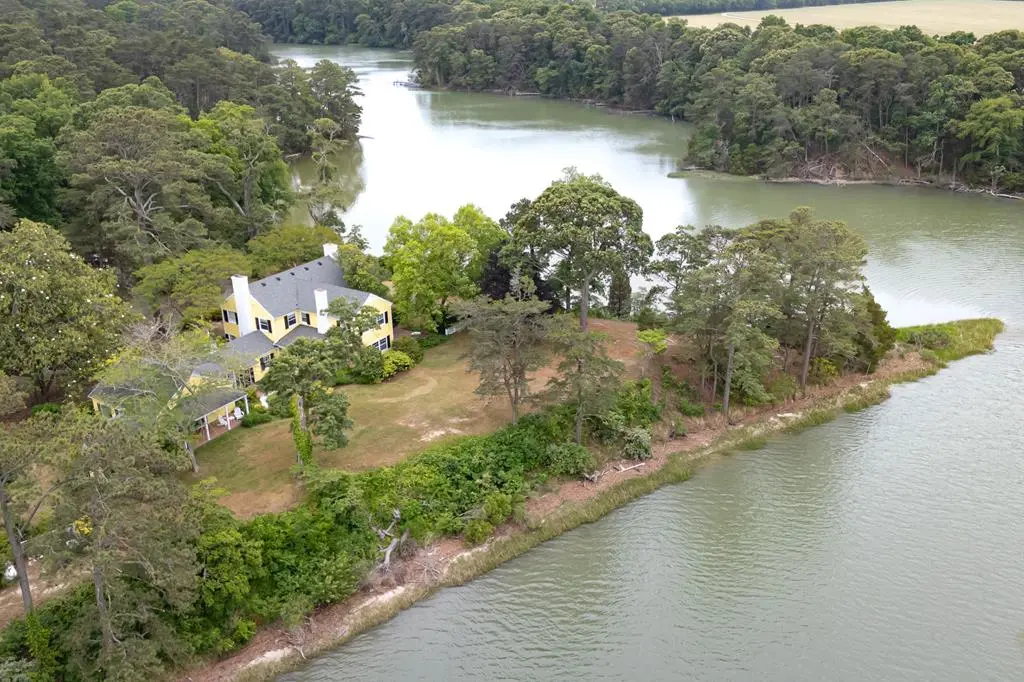
There’s a moment in almost every waterfront purchase when the buyer looks out at the water, takes a deep breath, and thinks: I can’t believe this is going to be mine.
That moment is real, and it’s worth chasing. But between that feeling and the closing table, first-time waterfront buyers on the Eastern Shore of Virginia encounter a set of questions, costs, and considerations that simply don’t exist when you’re buying a house on a regular street. Nobody warns you about most of them.
This guide is the thing nobody handed us to give you.
The Emotional Part Nobody Talks About
Buying a waterfront home is different in ways that go beyond the checklist. The views are distracting—in a good way, but also literally. It’s easy to fall in love with a property at high tide on a beautiful afternoon and miss details that matter.
Give yourself permission to visit more than once. Visit at low tide. Visit on a rainy day. Visit when the wind is coming off the bay and the marsh smells like the marsh. You want to love it when it’s ordinary, not just when it’s postcard-perfect.
The Eastern Shore has a particular pull. The light here is different, the pace is different, and the sense of space is unlike anything you’ll find two hours away in Northern Virginia or DC. That’s real, and it’s part of what you’re buying. Just make sure you also understand what else you’re buying.
Flood Zones: The First Conversation to Have
Before you fall in love with a listing, check the flood zone. In Virginia, you can look up any property using FEMA’s Flood Map Service Center or the Virginia Flood Risk Information System.
Here’s what the zones mean in plain English:
Zone X
Lower risk. Flood insurance isn’t typically required by lenders here, but keep in mind that more than 25% of flood claims nationally occur outside high-risk zones.
Zone AE
The most common high-risk designation on the Eastern Shore. Flood insurance will be required by your lender if you’re financing the purchase.
Zone VE
High-risk coastal properties exposed to wave action and storm surge. The most stringent building requirements and typically the highest insurance costs.
The flood zone is just the starting point. Under FEMA’s current Risk Rating 2.0 system, your actual premium is calculated based on your specific property’s elevation, foundation type, distance from water, and replacement cost—not just your zip code. Most Virginia waterfront homeowners pay somewhere between $400 and $2,000+ per year for flood coverage, and the only way to get an accurate number is to request quotes before you close, not after.
One important note: Virginia state law does not require flood insurance, but your mortgage lender almost certainly will if the property is in a Zone A, AE, or V area. And even if it’s not required — if your home is near the water, you want it.
The Inspection Is Not Just a Home Inspection
A standard home inspection covers the structure, systems, and mechanicals. For a waterfront property, that’s not enough. You need additional eyes on the parts of the property that live at the intersection of land and water — because that’s where things get expensive fast.
What to add to your inspection:
Dock, pier, and boat lift inspection
A standard home inspector is not qualified to evaluate marine structures. You want a licensed marine contractor who can assess the pilings (including below the waterline), decking condition, electrical if present, and structural integrity. A dock that looks fine from above can have pilings that are rotted through at the mud line. Replacement costs are significant.
Bulkhead or seawall assessment
If the property has a bulkhead, it needs its own evaluation. Signs of failure (tilting, soil loss behind the wall, cracks, failing tie-backs) aren’t always visible to the untrained eye. A bulkhead in serious distress can cost anywhere from $25,000 for targeted repairs to well over $100,000 for full replacement along a longer waterfront.
Elevation certificate
This document establishes the elevation of the lowest floor of the home relative to the base flood elevation. You’ll need it to get an accurate flood insurance quote, and it can also tell you whether the home was built in compliance with current floodplain regulations. Ask for it upfront. If the seller doesn’t have one, order it before you make a final decision.
Septic system
Many Eastern Shore waterfront properties are on private septic rather than public sewer. Have it inspected and pumped, and understand its age and condition. Septic systems near the water are subject to specific regulations, and replacement in a waterfront lot can be complicated and costly.
Well water
If the property has a private well, test it. Full stop.
Riparian Rights: The Thing That Surprises People Most
In Virginia, waterfront property comes with what are called riparian rights, a bundle of legal rights that attach to land adjacent to navigable water. These generally include the right to access the water, the right to build a pier or dock out to navigable depth, the right to a reasonable view, and the right to make reasonable use of the water.
Here’s the part that surprises buyers: riparian rights can be severed from a property and sold separately. That means it’s entirely possible to buy a home that sits right on the water (there’s even a dock in the listing photos) and discover after closing that the right to use, rebuild, or expand that dock doesn’t actually transfer with the deed.
Virginia is a caveat emptor state—buyer beware. The onus is on you to verify.
Before you sign a contract on any waterfront property, have a real estate attorney review the chain of title specifically for riparian rights. It’s a relatively small cost that protects you from a very painful surprise.
Also know: building a new dock or pier in Virginia requires a permit (or at minimum a “No Permit Needed” letter) from the Virginia Marine Resources Commission (VMRC). And Virginia’s living shoreline law discourages traditional hard structures like bulkheads in favor of more naturalistic approaches, which can affect your options if you’re planning to alter the shoreline.
HOA Life on the Eastern Shore: What to Ask Before You Buy
Many of the Eastern Shore’s most desirable waterfront communities (Bay Creek, Kings Creek, and others) are governed by homeowners associations. HOAs can be genuinely valuable: they maintain shared amenities, protect property values, and fund the upkeep of community docks and common areas. But they come with rules, fees, and governance structures that vary widely.
Questions to ask before you commit:
- What are the monthly or annual dues, and what do they cover?
- Are there any special assessments pending or recently levied? (These can be large and unexpected.)
- What are the rules around short-term rentals? If you’re planning to rent the property on Airbnb or VRBO, make sure the HOA allows it—many restrict or prohibit it entirely.
- Who manages the community dock or pier, and what access rights does your specific lot carry?
- What’s the reserve fund balance? A well-run HOA maintains healthy reserves; a depleted reserve fund is a red flag.
- Are there architectural review requirements? On the Eastern Shore, some communities have strict standards about exterior changes, additions, or even paint colors.
Request and read the HOA documents (the covenants, conditions and restrictions (CC&Rs), bylaws, meeting minutes, and most recent financials) before your inspection period ends. You have the right to see them, and they’ll tell you more about a community than any listing description will.
The Costs That Catch First-Time Buyers Off Guard
Beyond the purchase price, waterfront ownership comes with a cost structure that’s simply different from inland property. Here’s what to budget for:
Flood insurance
As discussed above. Get quotes before you close, not after.
Wind and storm insurance
Separate from flood, and often required by lenders on coastal properties. Premiums vary widely based on construction, elevation, and proximity to water.
Dock and bulkhead maintenance
These are not set-and-forget structures. Budget for periodic inspection and maintenance, and understand the age and condition of any existing structures before you buy.
Saltwater corrosion
It affects everything. HVAC systems, exterior hardware, railings, outdoor furniture, vehicles parked nearby. The Eastern Shore is relatively mild compared to oceanfront properties, but bay air still does its work over time. Budget for more frequent maintenance on exterior systems than you would inland.
Septic pumping and maintenance
If you’re on a private system, plan on pumping every 3–5 years and budgeting for eventual replacement.
Why It’s Still Worth It
None of this is meant to talk you out of anything. Waterfront property on the Eastern Shore of Virginia (particularly in Cape Charles and the surrounding area) holds its value, offers a quality of life that’s genuinely hard to find, and tends to be one of those purchases people look back on and say they should have done sooner.
The Chesapeake Bay side of the Shore is particularly appealing for first-time waterfront buyers: calmer water than oceanfront, stunning sunsets, generally lower wave action on bulkheads and shorelines, and a small-town community fabric that’s hard to replicate anywhere else.
You just want to go in with clear eyes, understanding what you’re buying, what it will cost to maintain, and what rights and responsibilities come with it.
That’s what we’re here for.
Ready to start your search? Explore waterfront listings in Cape Charles and the Eastern Shore or reach out to our team — we’ll walk you through everything before you ever make an offer.